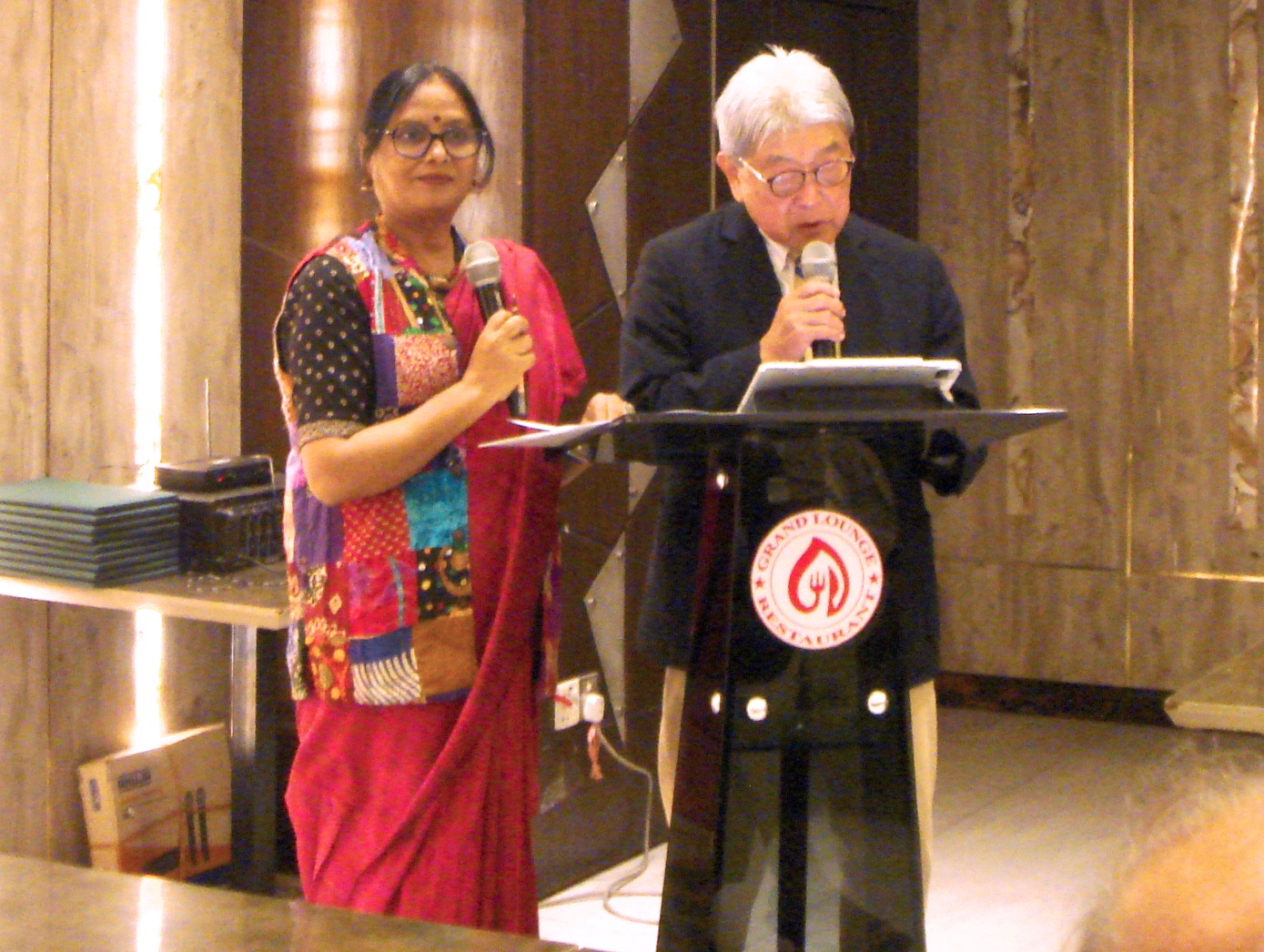
At the opening of the signing ceremony, Mr. Kazuo Tsurumi, President of HFW Japan, delivered a speech to the staff of the Bangladesh Country Office. He expressed his gratitude for the journey that they had undertaken together toward a world free from hunger and spoke about continued collaboration grounded in mutual trust, reaffirming a strong bond aimed at further community development. Pictured on the left is Ms. Anjuman Akter, who has long worked to advance women’s right to food (Deputy Director of HFW Bangladesh until December 31, 2025).
— Passing on 25 Years of HFW’s legacy to the Next Generation —
Hunger Free World (HFW) has decided to transfer its programs in Bangladesh to a local NGO that was inspired by HFW’s work and has steadily strengthened its organizational capacity. By 2030, the organization will no longer require HFW’s support and will have made the transition to independent operations.
This marks a significant milestone in realizing HFW’s mission to: empower the people and the communities to realize their right to food in a given country.
We extend our heartfelt gratitude to all supporters whose long-standing commitment has made it possible for the history built together with HFW Bangladesh to be passed on to the local NGO, allowing it to embark on a new chapter.
First Step Towards the Transfer to the Local NGO BBF
Memorandum of Understanding Signed on December 18, 2025
On December 18, 2025, HFW signed a Memorandum of Understanding (MoU) with the local NGO Bikoshito Bangladesh Foundation (BBF) regarding the transfer of its legacy.
BBF is a local NGO established based on HFW’s vision and mission and has gradually accumulated experience and capacity with a view to long-term sustainability. Under this agreement, the program know-how and assets developed by HFW will be transferred to BBF.
Going forward, BBF will take primary responsibility for the implementation and the management of the programs previously implemented by HFW. HFW will remain a partner until 2030, gradually reducing its financial support while providing organizational capacity- building support to ensure BBF’s self-reliance. The HFW Bangladesh Country Office will remain operational for the time being to facilitate closure procedures and is scheduled to close in September 2027.
Realizing the Right to Food Through Local Empowerment
25 Years of HFW’s Legacy in Bangladesh
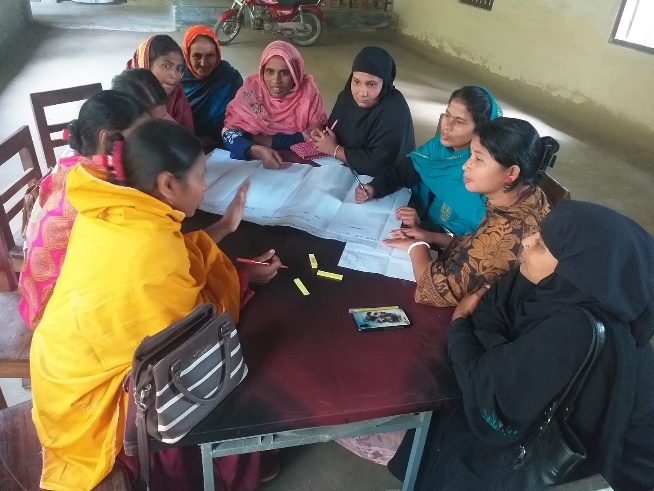
HFW began its activities in Bangladesh in 2000 in three areas—Dhaka, Kaliganj Upazila, and Boda Upazila—covering 23 villages. The programs focused on promoting sustainable agriculture and advancing women’s status and rights. In 2005, HFW launched the operation of an organic farming training center supported by the Ministry of Foreign Affairs of Japan through its Grant Assistance for Japanese NGO Projects.
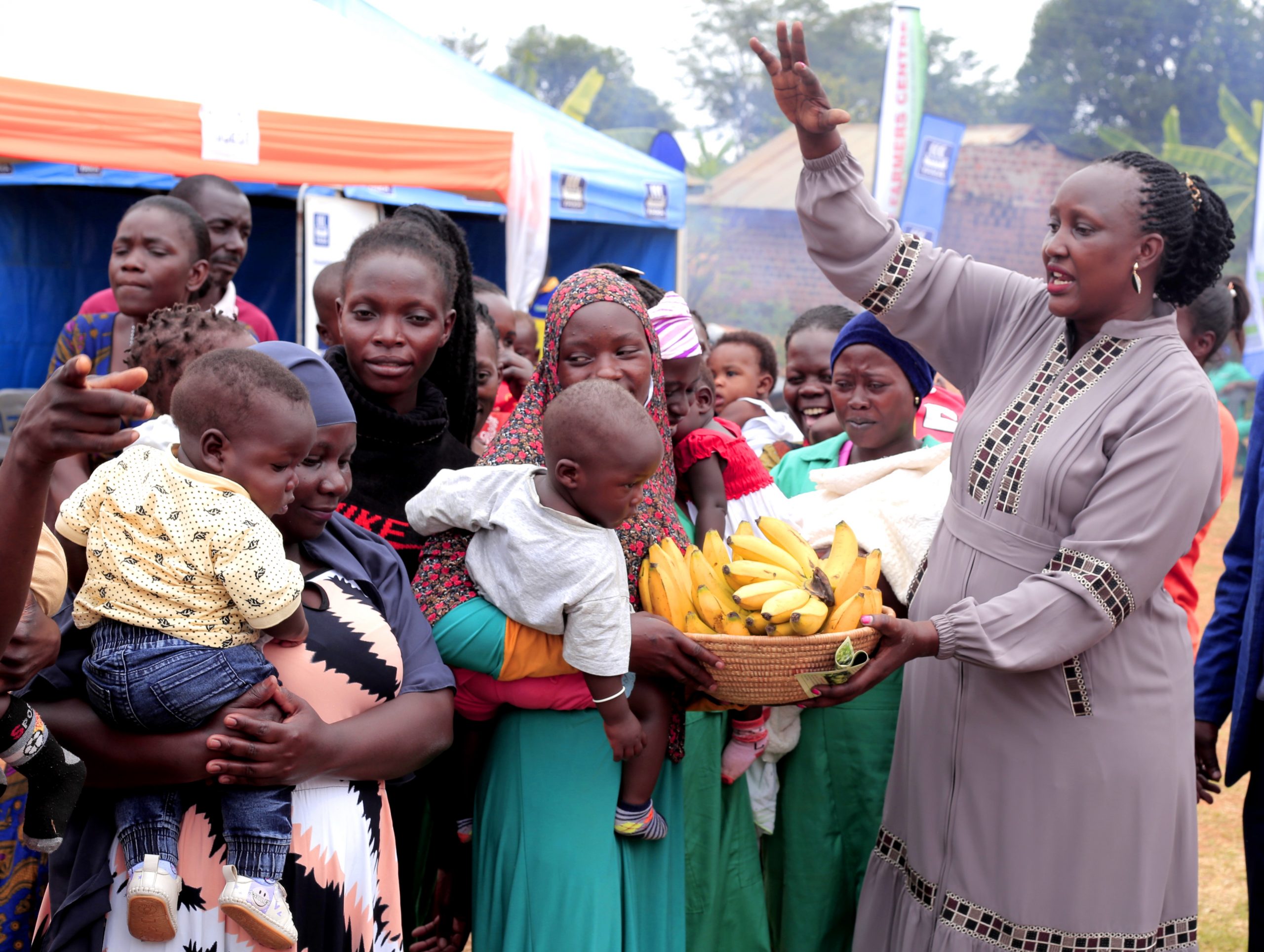
Since then, HFW has expanded its initiatives related to the right to food, including efforts to improve maternal and child nutrition. In 2022, we shifted our approach from direct support to individual women’s groups toward strengthening federations of women’s groups that bring together multiple groups. The programs have now reached a stage where local people can take the lead in managing their own initiatives.
Over the past 25 years, HFW has built a substantial legacy in Bangladesh. HFW Head Office and the Bangladesh Office have carefully considered, from multiple perspectives, how best to pass this legacy on to the next generation in Bangladesh.
A Milestone as an International NGO
Why We Chose “Graduation at the Country Level”
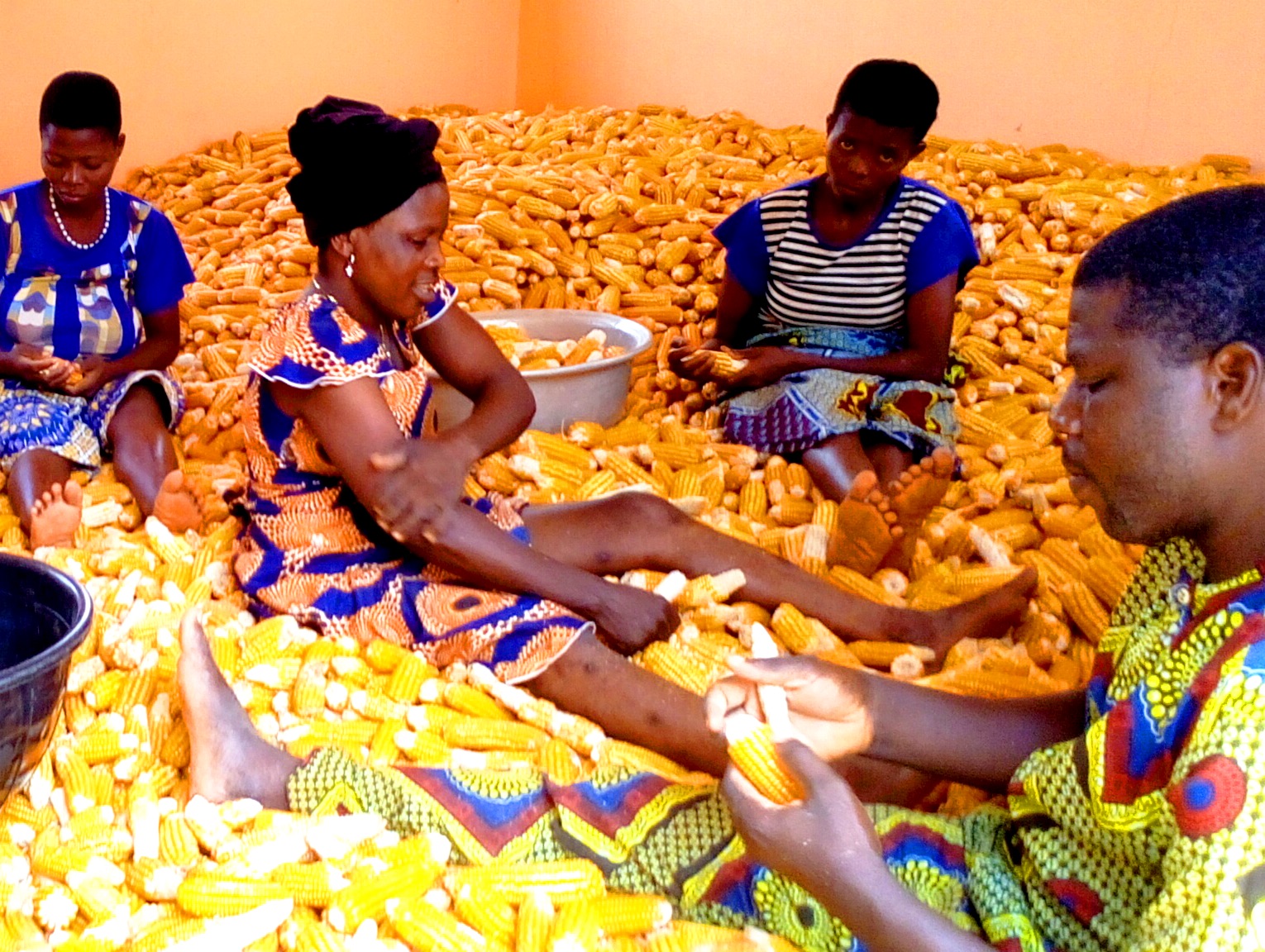
In Burkina Faso, HFW has similarly invested many years in nurturing community-based groups before moving on to the next areas of operation. The decision in Bangladesh represents an important step: not merely the self-reliance of a specific area, but the graduation of HFW’s country program as a whole.
Three Reasons for Choosing the Transfer to BBF
-
The most reliable path to sustainable self-reliance at the local level
Transferring the programs to BBF enables the realization of the local self-reliance that HFW has long pursued. The accumulated knowledge and experience can be utilized more effectively by an organization rooted in the local context.
-
Contribution to the development of civil societyin Bangladesh
As a local NGO, BBF can diversify its donor base and further develop and communicate its activities. This will contribute to strengthening civil society and advancing the public good.
-
Continuity of HFW’s philosophy into the next generation
The Vision and Mission ofBBF, which was established under the influence of HFW, are aligned with the philosophy that HFW has upheld. Its strong commitment to pursuing sustainable development through its own leadership affirms that HFW’s spirit will continue beyond the transfer.
Looking Ahead
On December 18, 2025, alongside the MoU signing ceremony, a tribute ceremony was held to honor the long-standing dedication of the staff members of the HFW Bangladesh Country Office.
From 2026 to 2030, HFW will continue to support BBF as a partner by strengthening its organizational capacity and providing technical support. This transition has been made possible by the steadfast support of our donors and partners over many years. We sincerely hope you will continue to support BBF’s new journey—led by Bangladeshis for the future of Bangladesh.
On the same day as the ceremony, December 18, a tragic incident occurred in Bangladesh in which a leader of the student movement lost his life. We express our deepest condolences for this loss and extend our heartfelt sympathies to the bereaved family and all those affected.
Since the collapse of the government in 2024, social tensions have persisted in Bangladesh. We sincerely hope that the country will overcome these challenges and move toward peace and renewed hope.
(December 19, 2025)
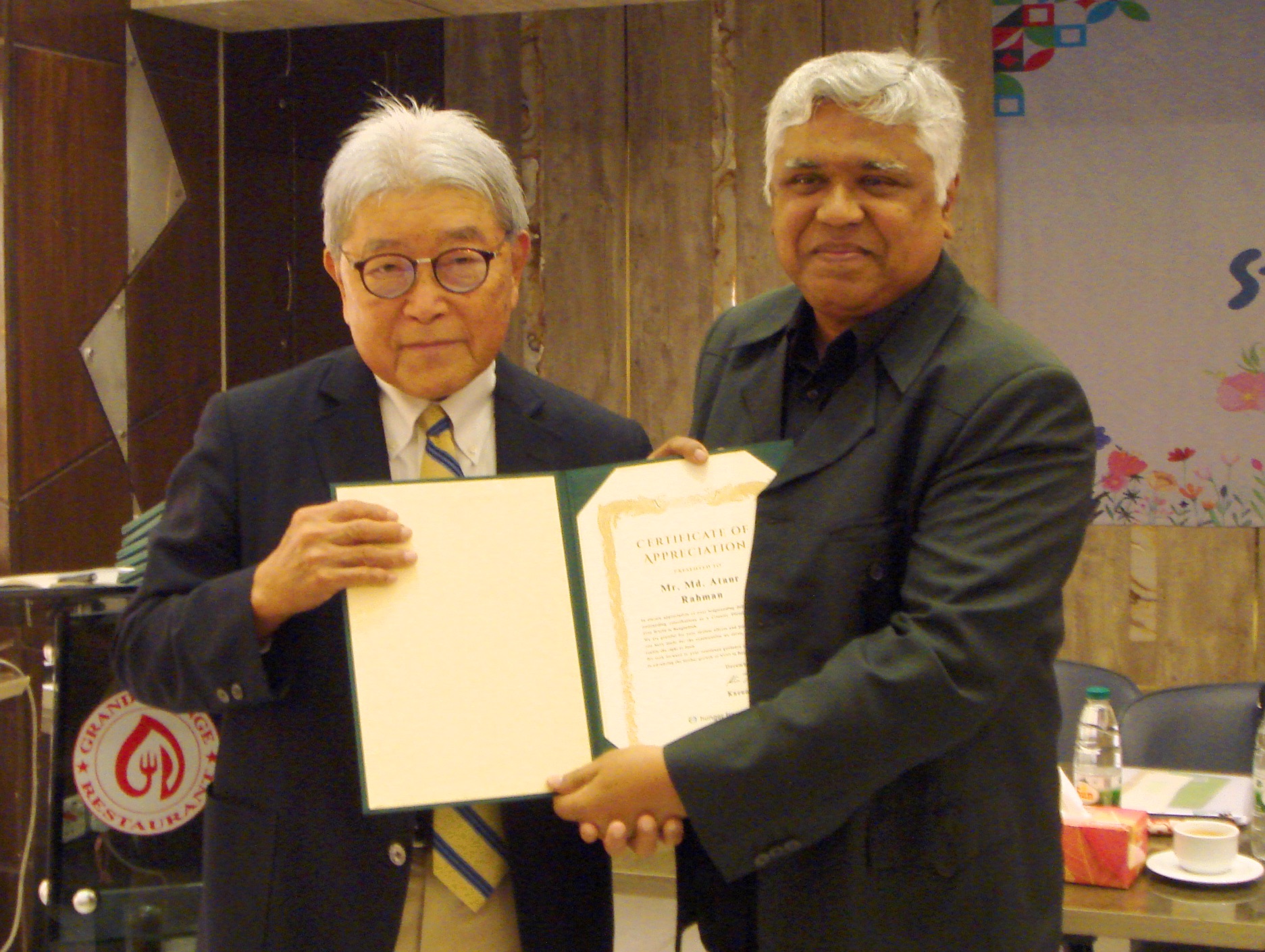
Following the ceremony, Mr. Kazuo Tsurumi, President of HFW, presented certificates of appreciation to each staff member of the Bangladesh Country Office. Mr. Ataur Rahman Mithon (Country Director of HFW Bangladesh until December 31, 2025) reflected, “We have grown together with HFW’s journey since 2000. I feel that holding this signing ceremony during the period commemorating our nation’s victory in achieving independence marks an important step towards self-reliance, away from dependence on donors.” He expressed both gratitude to HFW and his commitment to the future.
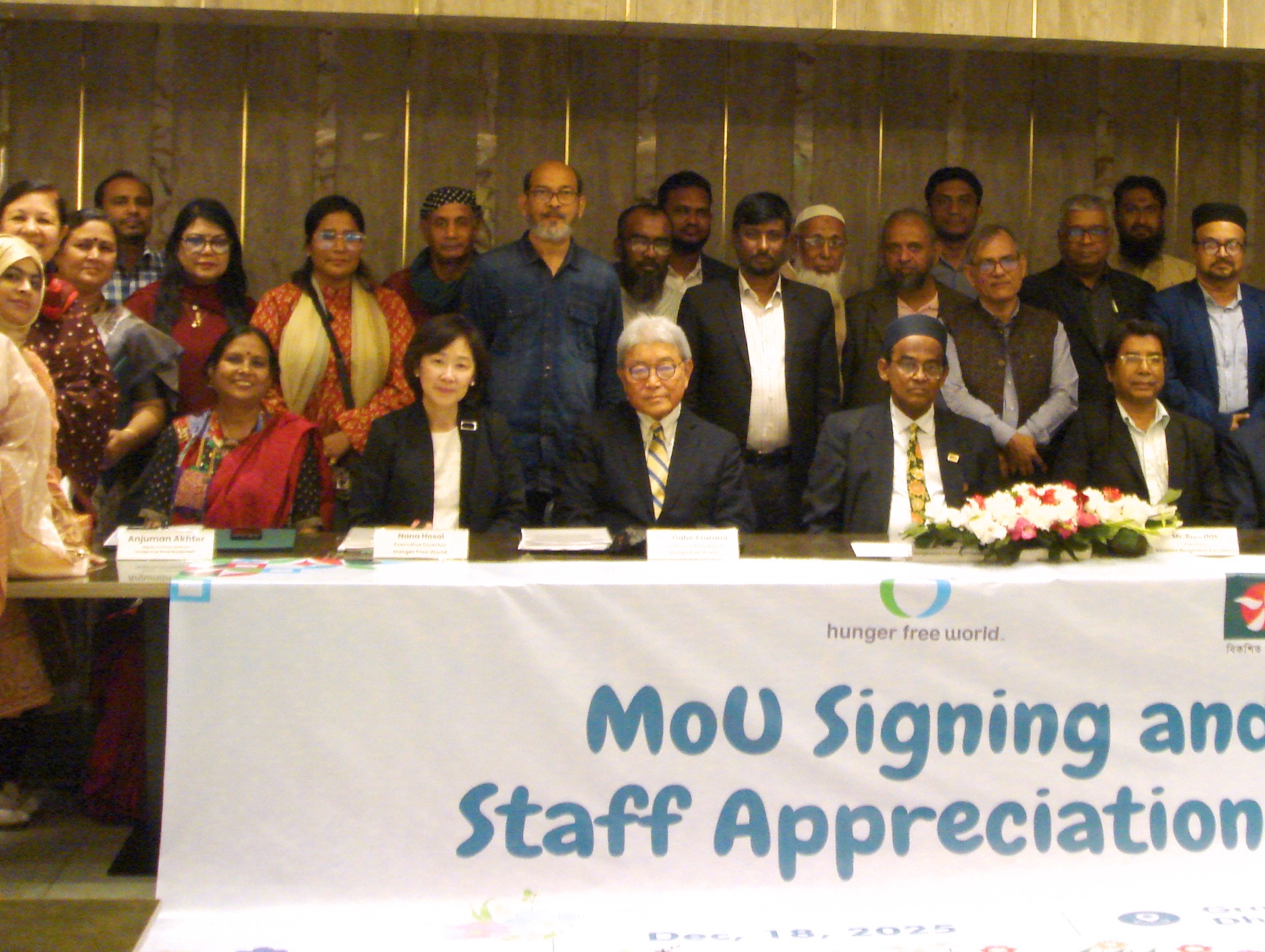
Approximately 50 participants attended the ceremony, including representatives from government agencies, experts in agriculture, health, and education, activists, and former HFW staff members now active in other organizations, who witnessed the transfer from a Japanese NGO to a Bangladeshi NGO. The event was also covered by local media and attracted attention as a meaningful step toward a new phase for civil society.